
Understand how healthy eating supports long-term health, energy, and disease prevention.
Food Is Information
Every meal sends signals to your body — about energy, inflammation, repair, and mood. Choose whole foods and your body responds with steady energy, clearer skin, and better digestion. Choose highly processed food and the same signaling drives fatigue, inflammation, and cravings. Nutrition is not about deprivation; it is about the quality of information you give your cells.
Building a Balanced Plate
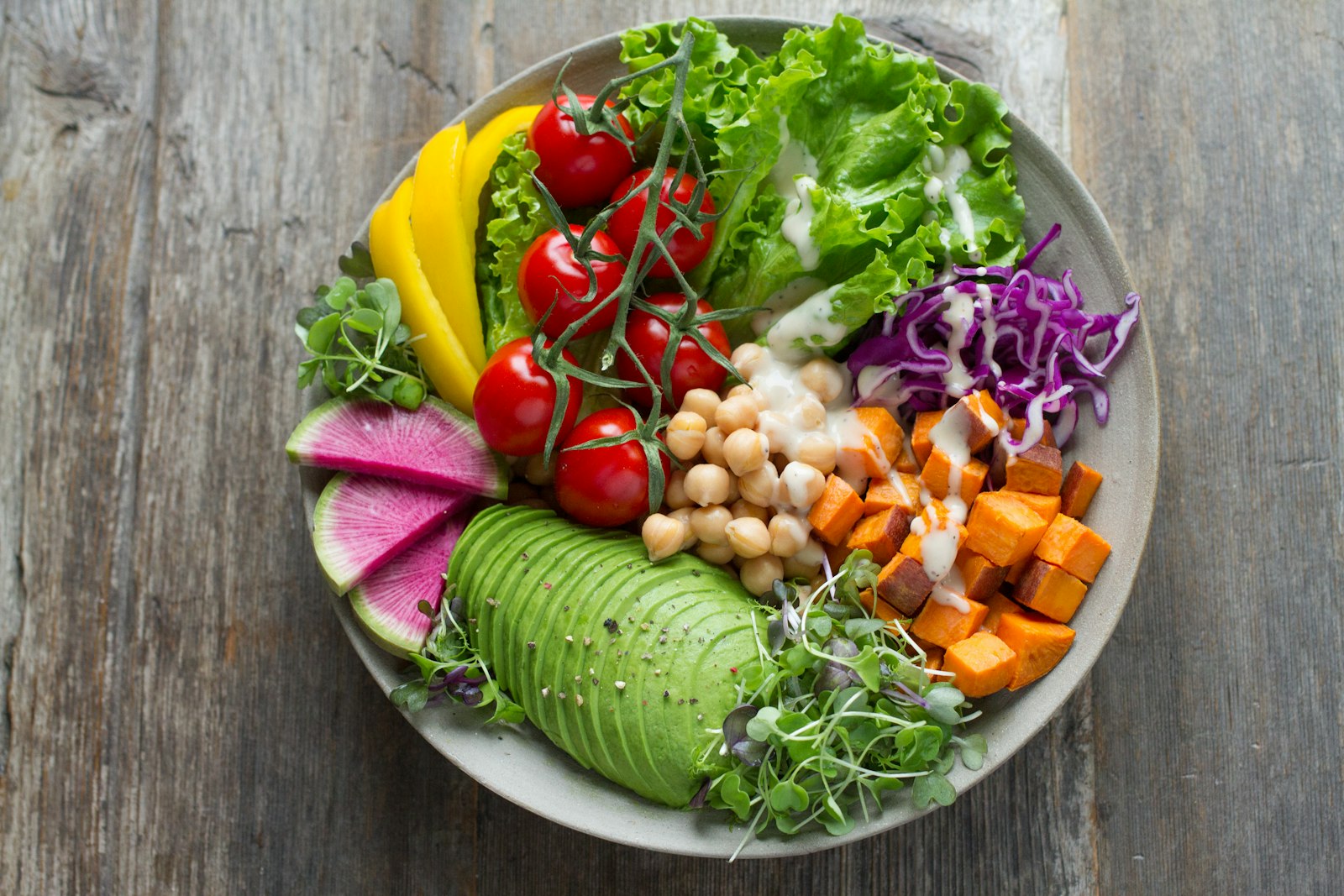
A simple rule covers most needs: fill half your plate with vegetables and fruit, a quarter with whole grains, and a quarter with quality protein such as legumes, eggs, or fish. Add healthy fats — nuts, seeds, olive oil — in small amounts. This template is flexible enough for any cuisine and guarantees the variety your body needs for vitamins, minerals, and fiber.
Hydration and Timing
Water is the forgotten nutrient. Mild dehydration shows up as tiredness, headaches, and poor focus long before thirst is noticed. Drink steadily through the day, and eat at regular times — irregular eating stresses blood sugar and digestion. Even small improvements in timing make a noticeable difference in energy and appetite control.
Small Changes, Big Results
You do not need a perfect diet overnight. Swap one processed snack for fruit, add a vegetable to dinner, drink a glass of water before each meal. Our diet therapy programs — from raw and bland food plans to fasting support — are built around sustainable change, giving you a structure that turns small steps into lasting transformation.